
Media
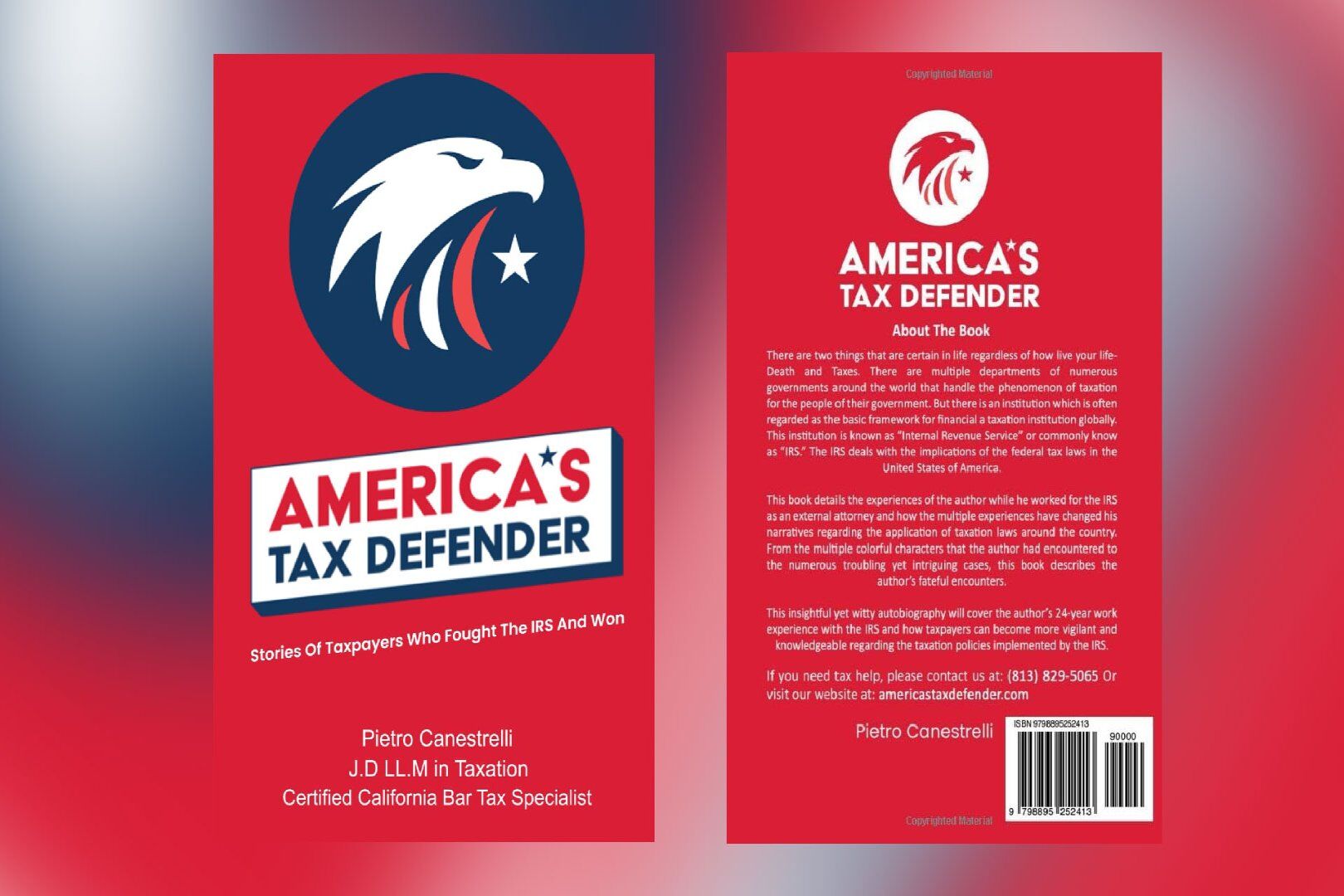
Featured Book
America’s Tax Defender
Stories of Taxpayers Who Fought the IRS and Won
By attorney Pietro E. Canestrelli. A behind-the-scenes look at real IRS disputes, audit nightmares, and unexpected victories — part legal thriller, part practical guide for any taxpayer facing the IRS. Available now on Amazon in paperback and Kindle.
As Seen In
Press & Media Features
National coverage of Pietro Canestrelli’s mission to defend taxpayers and humanize tax law.
All Videos

Employment law risks your business clients may be missing #businessownertips
The Night Her Accounts Hit Zero
Episode 12 of The Price of Civilization is live #Shorts
Check the Balance First
Why Every Business Owner Needs a General Counsel Before They Sell | With Alessa Huber
What to Do If You Owe the IRS $100,000: A Former IRS Attorney's Step-by-Step Plan
Crippling Debt Has a Blueprint
How the IRS Sees You
Podcasts
Tax Facts With Pietro
The Silence That Gets You In Deeper Trouble With The IRS
The Folder You’ll Regret Throwing Away In The US
The Tax Rule Most Remote Workers Miss In The US
The IRS Doesn’t Care About Excuses, But It Does Care About This
What The IRS Actually Cares About
How Long Does The IRS Really Take To Say Yes
Why Most IRS Payment Plans Collapse Before They Even Begin
Why Most IRS Deals Fall Apart Before They Even Start
The Mistake That Loses Most Audits In The US
Daily Tax Tips
They Know Before You Do
They’re Not Choosing at Random
It’s Not Always a Human Watching
They’re Not Looking at Everyone
They’re Not Guessing
It’s Not Bad Luck
They’re Not Guessing
You’re Not Fighting Fair
The IRS Doesn’t Forget
Business Shorts
Internal business operations on Business Shorts with LOPC
You formed your business, now what? on Business Shorts with LOPC
Business sales on Business shorts with LOPC
Business succession on Business Shorts with LOPC
Role of Directors on Business Shorts with LOPC
Importance of keeping accurate minutes of annual meetings on Business Shorts with LOPC
Business shorts
Business shorts
Business shorts
Podcasts
Have you received a collections letter from the IRS, FTB, EDD or CDTFA? Call us now for guidance on your next steps.


Get Clear on Your Next Step
Borrow, Don't Sell
Law Office of Pietro Canestrelli, APC 105 minutes ago