
Clean Energy Tax Credits After OBBBA
The clean energy credit regime created by the Inflation Reduction Act has been substantially dismantled. The One Big Beautiful Bill Act, signed July 4, 2025, terminated most of these credits on a staggered schedule running from September 2025 through 2027.
If you are researching whether to claim a solar, heat pump, or electric vehicle credit, the first question is no longer whether you qualify — it is whether the credit still existed when the property was placed in service. A great deal of published material, including manufacturer and installer marketing, still describes these credits as current.
We advise individuals and businesses on energy credit eligibility, timing, and examination defense in Temecula, Murrieta, San Diego, Riverside, and San Bernardino.
Termination Schedule
| Credit | Section | Terminated after |
|---|---|---|
| Previously-owned clean vehicles | 25E | September 30, 2025 |
| New clean vehicles | 30D | September 30, 2025 |
| Commercial clean vehicles | 45W | September 30, 2025 |
| Energy efficient home improvements | 25C | December 31, 2025 |
| Residential clean energy (solar, battery) | 25D | December 31, 2025 |
| Alternative fuel refueling property | 30C | June 30, 2026 |
| New energy efficient home | 45L | June 30, 2026 |
The residential terminations are the ones affecting the most households. Section 25D — the 30% credit for solar, battery storage, geothermal, and similar property — ended for property placed in service after December 31, 2025. Section 25C, covering insulation, windows, doors, heat pumps, and efficiency audits, ended on the same date.
Section 30C and 45L terminated after June 30, 2026. With that date past, no residential or residential-adjacent federal energy credit remains available for property placed in service now.
What Remains for Businesses
The commercial clean electricity credits under Sections 45Y and 48E were not terminated outright but were placed on a compressed timeline.
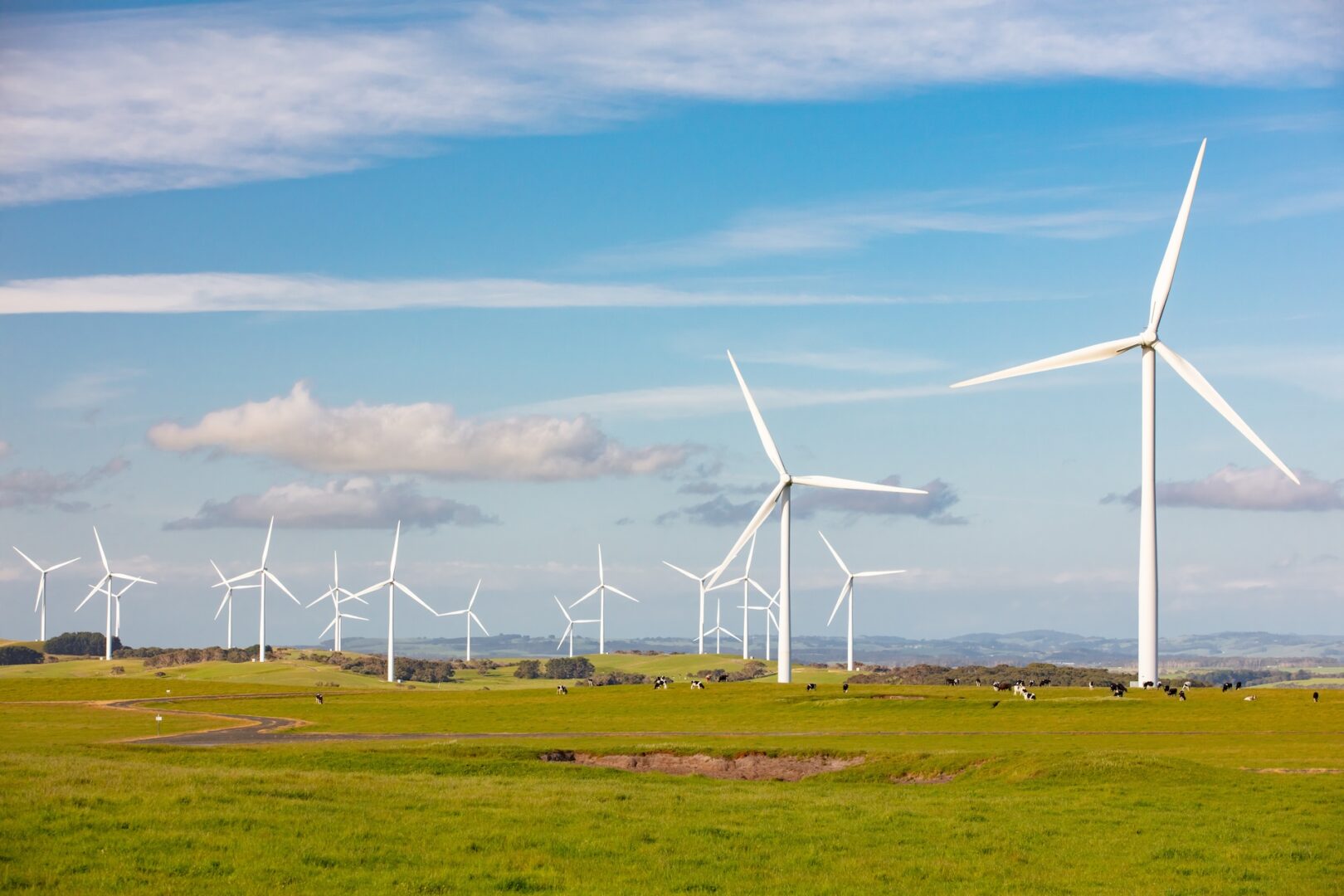
Wind and solar facilities must generally be placed in service by December 31, 2027. A transition rule preserved eligibility for facilities that began construction on or before July 4, 2026, which are governed by the ordinary continuity requirements rather than the placed-in-service deadline. That window has closed — a project that had not begun construction by that date is subject to the December 31, 2027 deadline.
For projects relying on the transition rule, the operative question is now evidentiary rather than strategic. "Beginning of construction" is a defined concept, satisfied through either a physical work test or a percentage-of-cost safe harbor, with continuity requirements applying afterward. A project claiming the transition rule needs contemporaneous documentation establishing when construction began and that work continued — the kind of record that is straightforward to create at the time and nearly impossible to reconstruct during an examination.
Foreign entity of concern restrictions and domestic content requirements add further conditions for these projects.
If You Already Claimed a Credit
Credits properly claimed for property placed in service before the applicable termination date remain valid. Termination is prospective; it does not claw back prior claims.
Two situations do warrant attention:
Timing disputes. A credit turns on when property was placed in service, not when it was purchased, contracted, or paid for. Solar installations completed in late 2025 but not interconnected or operational until 2026 are exactly the fact pattern that generates disallowances. Documentation of the in-service date — permits, inspections, interconnection approval, and utility permission to operate — is what resolves these.
Recapture. Certain business energy credits are subject to recapture if the property is disposed of or ceases to qualify within a recapture period. A sale or change in use can trigger repayment of part of the credit.
If a credit claim has been questioned, our IRS audit page covers examination procedure.
California Runs Its Own Programs
California declined to conform to the federal clean energy incentives even when they existed, and it maintains separate state-level programs instead. California's conformity date is January 1, 2025 under Senate Bill 711, and the state did not adopt the IRA renewable energy provisions — including the elective payment and transferability mechanisms that made federal credits monetizable for tax-exempt and low-tax-liability entities.
The practical consequences for a California taxpayer:
- Federal energy credits did not reduce California tax even when available
- California incentives operate largely through rebate and incentive programs rather than income tax credits, administered by state agencies and utilities rather than the FTB
- State and local rebates can affect the basis of the property and interact with any federal credit claimed, which affects the calculation rather than merely the paperwork
Because these programs change independently of federal law and are administered outside the tax system, current program terms should be verified with the administering agency rather than assumed from prior-year materials.
Where This Leaves Planning
For most individuals, federal energy tax planning is now largely historical. The questions that remain are documentation questions — establishing in-service dates for credits already claimed, and responding to notices questioning them.
For businesses, the live issues are the 45Y and 48E placed-in-service deadline of December 31, 2027 and, for projects that began construction before the transition date, documenting that start and the continuity of work. Both are records questions now rather than timing decisions.
Businesses should also remember that energy property remains eligible for ordinary cost recovery regardless of credit status. Bonus depreciation was restored to 100% permanently by OBBBA, and Section 179 expensing is available at $2.5 million federally — though California conforms to neither, allowing no bonus depreciation and capping Section 179 at $25,000.
Establishing the In-Service Date
With nearly every residential credit now terminated by date, the entire question for most taxpayers is whether property was placed in service before the cutoff. That is a factual determination, and it is the one the IRS will test.
Property is generally placed in service when it is ready and available for its specific intended use — not when it was ordered, financed, delivered, or partially installed. For a solar system, that generally means installation is complete, inspections passed, and the system is operational and authorized to run.
The records that establish it: the final permit and inspection sign-off with dates, the utility's permission to operate or interconnection approval, the installer's completion certificate, commissioning or monitoring data showing first production, and the final invoice tied to substantial completion. A contract date and a deposit receipt do not establish an in-service date.
Contractor delays around a statutory cutoff produce exactly the disputes that follow. A homeowner who signed in October 2025, paid in November, and received permission to operate in February 2026 has a 2026 in-service date and no Section 25D credit — regardless of what the contract said or what the installer promised.
Where the facts are close, the documentation assembled at the time decides the outcome. Where a credit has already been claimed and questioned, the same records are the response.
Frequently Asked Questions
Can I still claim the 30% solar credit?
Not for property placed in service after December 31, 2025. Section 25D was terminated by OBBBA as of that date.
Is the electric vehicle credit still available?
No. The new, used, and commercial clean vehicle credits under Sections 30D, 25E, and 45W all terminated after September 30, 2025.
My installer says I qualify. Who is right?
Check the placed-in-service date against the termination date for that specific credit. Installer and manufacturer marketing materials have lagged the statutory changes considerably.
What does "placed in service" mean?
Generally when the property is ready and available for its intended use — for solar, typically when installation is complete and the system is operational and permitted, not when the contract was signed or paid.
Do I have to repay credits I already claimed?
No, if the property was placed in service before the termination date and the claim was valid. Certain business credits are subject to recapture if the property is disposed of or ceases to qualify within the recapture period.
Does California give a credit for solar?
Not as an income tax credit. California operates rebate and incentive programs through state agencies and utilities, administered outside the tax system, and did not conform to the federal energy credits.
Are commercial solar projects still eligible?
Under 45Y and 48E, generally if placed in service by December 31, 2027. Projects that began construction on or before the July 4, 2026 transition date are instead governed by continuity requirements, but that window has closed for new starts. Additional content and ownership restrictions apply.
I signed a solar contract in 2025 but the system was not operating until 2026. Do I qualify?
Generally no. Section 25D turns on the placed-in-service date, not the contract or payment date, and it terminated after December 31, 2025. A system first operational and authorized in 2026 falls outside it.
What records should I keep for a credit already claimed?
Final permits and inspection sign-offs, the utility's permission to operate, the installer's completion certificate, commissioning or first-production data, and invoices tied to substantial completion. Keep them for the full assessment period, not just the filing year.
Do state or utility rebates affect my federal credit?
They can. Rebates that reduce the purchase price generally reduce the basis on which a federal credit is computed, while certain state income tax credits are treated differently. Where both applied, the calculation should be reviewed rather than assumed.
Confirm the Date Before You Claim
Nearly every dispute in this area now turns on a single fact: when the property was placed in service. That date is provable with the right records and difficult to establish without them.
Pietro Canestrelli holds an LL.M. in Taxation and advises on energy credit eligibility, in-service documentation, recapture, and examination defense. Schedule a consultation, or review our tax credits overview.
Get Clear on Your Next Step